
new course
A career in marketing?
Let’s do it.
A practical, six-month course in marketing strategy and execution that teaches you how to take a real business problem from the very first question all the way through to a complete marketing plan, and then out into the world.
6 months · hands-on-learning · One real project from start to finish · AI integrated throughout
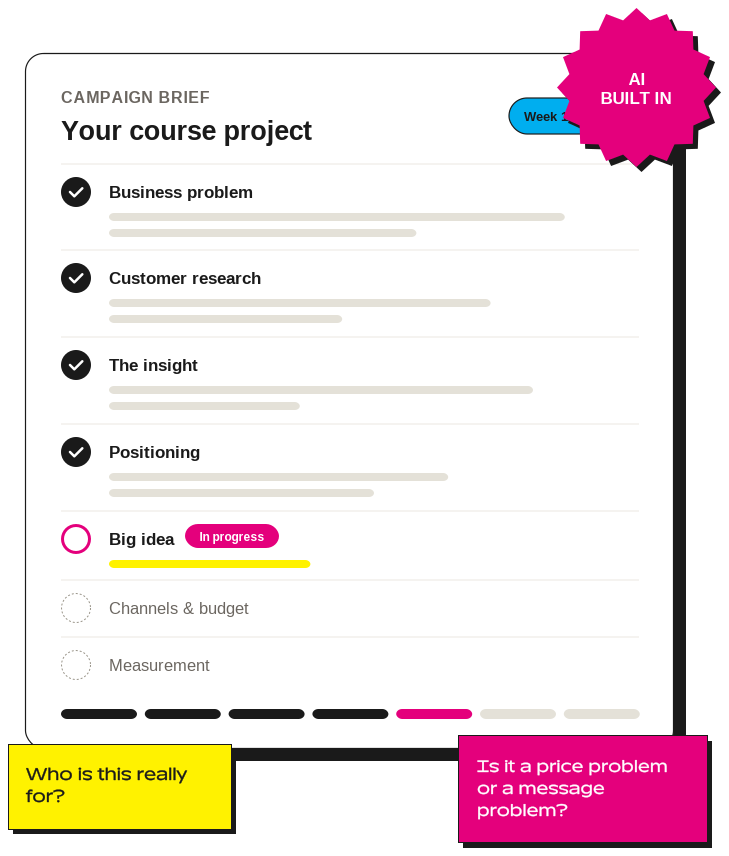
The process you’ll learn
1
Diagnose
→
2
Understand
→
3
Build
→
4
Price
→
5
Position
→
6
Mine Insight
→
7
Message
→
8
Create
→
9
Distribute
→
10
Amplify
→
11
Measure
→
12
Integrate
→
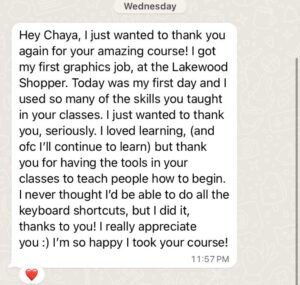
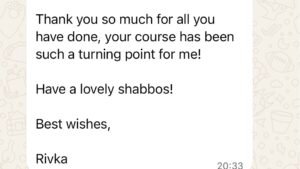
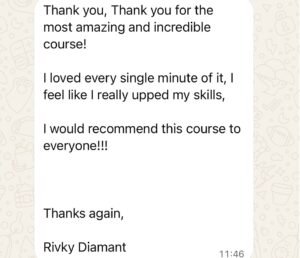
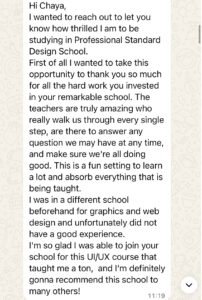
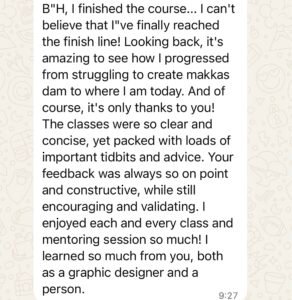
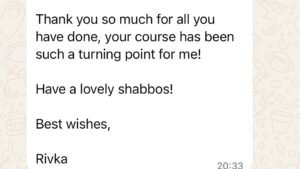
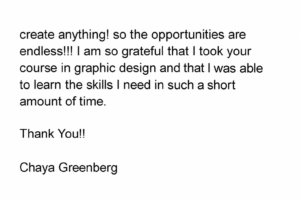
What do our students say?
The problem
There had to be another way to learn marketing.
Marketing Manager
CMO
Brand & Communications Manager
Product Marketing Manager
Growth Marketer
For a long time, if you wanted a serious foundation in marketing, there were two options. The first was an MBA or a full business degree: great if you have the time and money, and you’re happy to learn subjects you may never need. The second was to jump in and wing it. Take a graphics course. Learn copywriting. Start as a project manager. Pick things up on the job. After years in the field, watching how companies actually run and who they hire, we realized there was a gap in marketing education.

Have a seat at the table and have something to say.
We built this course around a very simple idea: give people the foundation they actually need, then make them use it. You’ll learn the language, understand the bigger picture, make strategic decisions, work with creative and channels, read the numbers, use AI intelligently and know when to run with something yourself and when to bring in a specialist. In other words, you’ll have real, relevant knowledge and experience to walk confidently into a marketing role and keep growing well beyond it.
AI & marketing
But hasn’t AI changed everything?
Yes, everything has changed, but also nothing has.
AI has shaken up the world of marketing. It’s changing how we work, what we can create, how quickly we can do things, and even which jobs still need actual humans to do them. At the same time, the core principles of good marketing haven’t changed.
We’re going back to the foundations of marketing, psychology, research, strategy and creative thinking that have worked for decades. And we’re bringing them right into the future, exploring how AI can help us research smarter, think bigger and create more efficiently. Because while the tools will keep changing, knowing how to think like a marketer is a skill that will never go out of date.

Speak fluent robot
You won’t learn AI in one lesson and forget it. You’ll use it in every module, with different tools for different jobs: researching a market, analyzing customer data, brainstorming ideas, drafting copy, creating visuals and testing what works. By the end, reaching for the right AI tool will feel like second nature, and you’ll know when its answer is good enough and when it needs a human eye.
Research
Analysis
Ideas
Copy
Visuals
Data & reporting
Who’s this course for?

I want a career in marketing
You know marketing interests you. You notice campaigns, brands, trends, and find yourself wondering why they worked. Now you want the proper foundation so you can walk into a marketing role, see the whole picture, and actually know what to do next.

I’m a creative looking for more
You already know how to create the actual work. Now you want to be in the room when the big decisions are being made. Why this audience? Why this message? Why this campaign? You don’t just want to get the brief — you want to be one of the people shaping it.

I’m a business owner tired of guessing
Ads? Emails? Influencers? New website? Print? WhatsApp? Everyone has an opinion, and somehow you’re the one paying for all of them. You want to stop throwing spaghetti at the wall and start making marketing decisions that actually make sense for your business.

I fell into marketing, now what?
Nobody officially gave you the job, but somehow you’re writing the emails, planning the campaigns, posting on social and briefing the designer. You’ve learned a lot by figuring it out as you go. Now you want the strategy behind all that doing — so you can stop winging it and start feeling like you actually know what you’re doing.
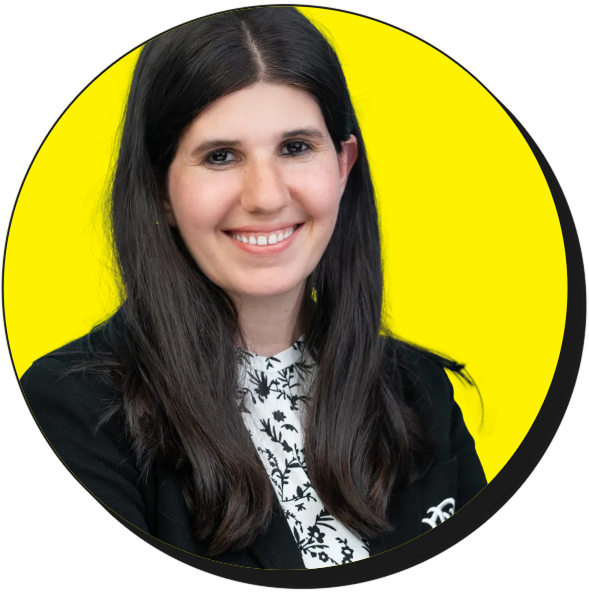
Meet Chaya Murik
Your teacher
Director of Kirum Marketing & Design Studio
Chaya brings an MBA, two decades of hands-on marketing and creative experience, and the kind of brain that cannot see a business problem without immediately wanting to pull it apart and figure out what’s actually going on.
Through Kirum, she works across strategy, branding, creative campaigns and marketing with businesses and organizations facing very different challenges — from nonprofits trying to inspire action to consumer brands competing for attention and B2B companies trying to grow.
That range is important, because the entire premise of this course is that there is no one marketing formula that works for every business.
Chaya won’t teach you a stack of answers to memorize.
She’ll teach you how to ask better questions.
Workshops
Big ideas are brewing
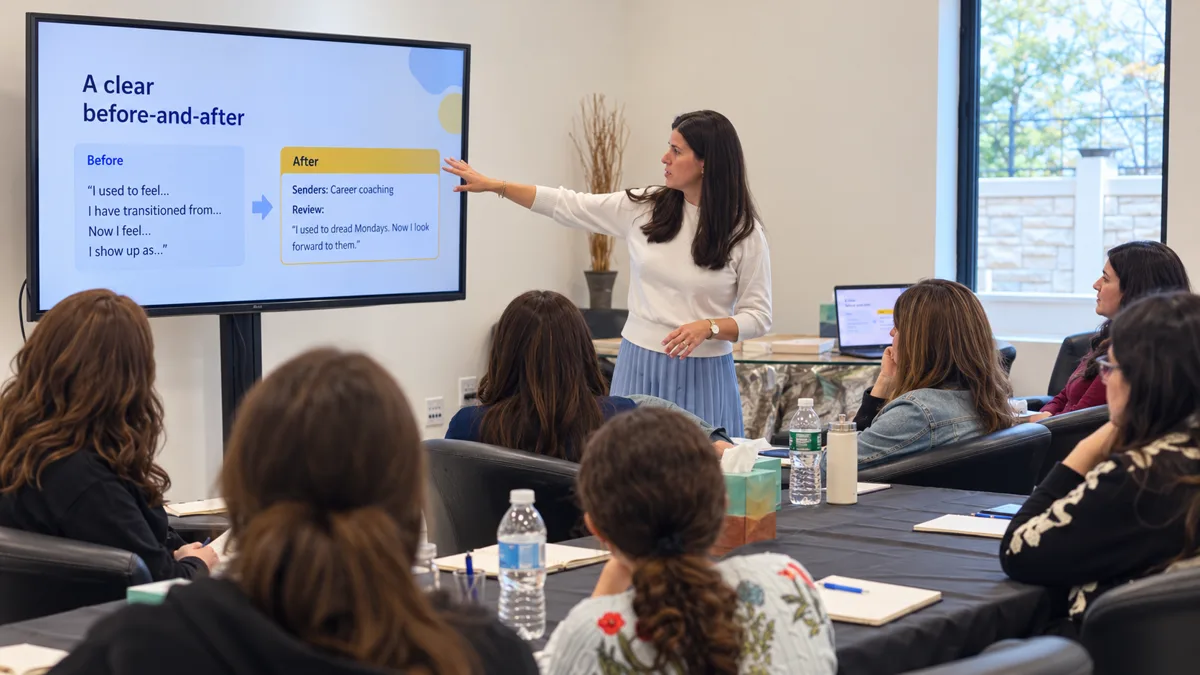
Businesses and organizations bring Chaya in to run marketing workshops for their teams, helping them step back, ask the right questions and leave with a clearer plan. That same hands-on, get-everyone-thinking style is how she teaches this course.
Workshops for:
MIT · Albert Scott · Oorah · Autumn Care
Why PS Design School?
What makes PS Design
School different?
For over a decade, PS Design School has been helping open doors for creatives with courses in Graphic Design, UX/UI, Interior Design and Digital Illustration.
Our classes are small, practical and personal. You learn by doing real work, get real feedback, and leave with a portfolio that shows what you can do. The Marketing Course brings that same approach to marketing.

15
Years training students

5
Core courses

Hundreds
of graduates
Proud of our alumni and their incredible work with all kinds of businesses and organizations.





















Sound like you?
If questions like these make you more curious than bored…
Then we should talk.
Why can a company have a fantastic product and still struggle to sell it?
How do you know whether poor sales are a product, price, place or promotion problem before throwing more money at ads?
What do customers say they want — and what does their behavior reveal that they may not even realize themselves?
How do you go from a pile of interviews, reviews and customer comments to one human truth powerful enough to shape a campaign?
How does price change what a product means — and why can the same product feel cheap, premium, exclusive or ordinary depending on what surrounds it?
How do you decide what space a brand should occupy in a customer’s mind — before you ever write a tagline or design an ad?
What makes an insight strong enough to become a headline, visual idea, campaign concept — or even an entire creative world?
How do you know whether a campaign idea actually comes from the strategy — or is just a clever idea looking for somewhere to live?
Should a campaign be on Instagram, email, Google, print, at an event, in-store — or somewhere else completely?
Which marketing numbers actually help you make a decision — and which ones just look impressive in a report?
What will you actually learn?
The course follows the marketing process in the order you’d actually need it.
Start with the problem
You’ll learn how to look at a business before jumping to solutions: understand what it’s trying to achieve, what’s already happening, who the customer is and where the real problem might be.
Build the strategy
From product and offer to pricing, positioning and branding, you’ll learn how the different pieces affect each other — and how to make choices that actually make sense together.
Find the idea
You’ll dig into customer research, uncover the insight, build the messaging and turn the strategy into campaign ideas, copy and creative direction.
Get it out into the world
Then comes channels, websites, paid media, budgets, testing and measurement. Where should the campaign run? What job does each channel have? What happened once it launched — and what should you do next?
tHE curriculum
Module by module
18 modules, each building on the one before. Here’s what you’ll cover in each.

Every module ends with a Playbook
A clear, concise review pack of the key frameworks, questions and checklists from that module. Short enough to actually use, thorough enough to come back to long after the course ends. By the final class, you’ll have your own complete marketing reference.
1
module 1
The Big Picture of Marketing
Discover what marketing really involves, beyond advertising. Explore how product, price, place, and promotion work together to create value and drive demand.
2
module 2
Marketing & the Business Behind It
Understand how marketing fits into the bigger picture of a business. Explore the relationship between marketing, sales, operations, and customer service, including B2B, B2C, nonprofits, and product versus service businesses.
3
module 3
Understanding Consumer Behavior
Discover why people buy what they buy. Explore the psychological, emotional, cultural, and social influences that shape purchasing decisions.
4
module 4
Researching Your Customer
Learn how to gather meaningful customer information through qualitative and quantitative research, interviews, surveys, observations, and existing data, including AI-assisted research methods.
5
module 5
Understanding Your Audience
Learn how to interpret research, identify patterns, segment audiences, and uncover customer motivations and insights. Explore how AI can help analyze and organize findings.
6
module 6
Understanding Markets & Finding Opportunities
Explore competitors, industry trends, market gaps, and opportunities for growth, including reaching new audiences, entering new markets, and identifying opportunities for innovation.
7
module 7
Product & Product-Market Fit
Discover how to develop products, services, and offers that genuinely meet customer needs. Learn how customer insights inspire new ideas and how to evaluate and test them.
8
module 8
Pricing & Perceived Value
Understand how pricing influences customer perceptions and purchasing decisions. Explore pricing strategies that communicate value and support profitability.
9
module 9
Marketing Economics & Customer Lifetime Value
Explore how customer acquisition costs, lifetime value, profit margins, and retention influence marketing decisions and business profitability.
10
module 10
Positioning & Differentiation
Learn how to establish a distinctive place in customers’ minds and give people a compelling reason to choose one brand over another.
11
module 11
Brand Strategy & Brand Building
Discover how brands build meaning, recognition, trust, and lasting customer preference through identity, personality, consistency, and brand promises.
12
module 12
Marketing Strategy & Planning
Bring customer understanding, market opportunities, positioning, and business objectives together to develop an effective marketing direction and plan.
13
module 13
Distribution & Go-to-Market Strategy
Explore how businesses bring products and services to customers through retail, wholesale, direct-to-consumer channels, distributors, and strategic partnerships.
14
module 14
Customer Experience, Retention & Loyalty
Learn how businesses build lasting customer relationships, encourage repeat purchases, develop loyalty programs, generate referrals, and grow revenue from existing customers.
15
module 15
Marketing Channels & Media Strategy
Explore the different ways businesses reach their audiences and learn how to select the right combination of traditional and digital marketing channels.
16
module 16
Insight Mining: Finding the Big Idea
Learn how to uncover powerful insights by connecting consumer truths, brand strengths, and marketing challenges to inspire strategic and creative ideas.
17
module 17
Marketing Measurement & Optimization
Learn how to evaluate marketing performance, interpret key metrics, and use data and AI-assisted analysis to improve results and make smarter marketing decisions.
18
module 18
Building a Complete Marketing Plan
Bring everything together into a comprehensive marketing plan that connects customer understanding, market opportunities, products, positioning, pricing, distribution, communications, retention, and measurement.
Please note: This curriculum is intended as a general outline of the course. As we teach the material, we may make adjustments to the topics, content, or order of lessons based on what we feel will provide the most valuable and effective learning experience for our students.
Innovation & Creative Thinking
The Art of Thinking Outside the Obvious.
Great marketers are great problem-solvers. In this five-part Innovation & Creative Thinking module, you’ll learn to look beyond the obvious, see challenges from fresh angles, question assumptions, and spot opportunities others might miss. Get ready to stretch your imagination, challenge the way you think, and surprise yourself with ideas you never knew you had!
Discover
Understand people, what makes them tick, and what they really need.
Define
Look beyond the obvious to find the real problem worth solving.
Explore
Let your creative juices flow and dream up unexpected possibilities.
Build
Take those big ideas and turn them into something real.
Validate
Test your thinking, learn what works, and make your ideas even better.
Creative foundations
Flex those creative muscles.
When you work in marketing, you’ll often find yourself working closely with designers, copywriters and other creative professionals. And now, with AI, there’s a good chance you’ll be creating a lot of the work yourself.
Copywriting 101 and Art Direction 101 give you a solid foundation in the creative side of marketing.
You’ll learn enough to make smart decisions, get better results from AI, and know how to brief and collaborate with the specialists you bring on board.

Art Direction 101
You don’t have to become a graphic designer, but you do need to know what makes good design good.
We’ll break down the most important principles of design, branding, layout and visual communication, so you can confidently direct the look and feel of a brand’s marketing, create on-brand materials with AI, and work with designers who can bring your ideas to life.

Copywriting 101
There’s a little more to good copy than asking ChatGPT to write something “friendly but professional”. 😅
We’ll explore the principles behind copy that makes people stop, feel something, and take action. From headlines and ads to emails and landing pages, you’ll learn what makes great copy work, how to write and edit it yourself, and how to direct AI to produce something that’s actually worth using.
Guest lecture masterclasses
And then there’s more
Guest Lecture Masterclasses. Smart people who do this every day, sharing what actually works in their field.
Masterclass
Research and Data
With Dina Goldman @ Mispar
How to gather research you can trust, read the data properly and turn it into decisions.
Masterclass
Connecting and Headline Writing
With Shlomo Genchin
How to write headlines that stop people in their tracks and words that genuinely connect with the reader.
Masterclass
Foundations of SEO & GEO
With Hadassa Levy
How people find businesses today, on Google and in AI tools like ChatGPT. Learn how traditional search works, what GEO (generative engine optimization) means, and what it takes for a business to show up in both.
Masterclass
Foundations of Digital Marketing
With Hadassa Levy
How the digital pieces fit together, from social and paid ads to email and websites, and how to decide where a business should show up online.
Masterclass
Foundations of Email Marketing
With Rivkie Lieberman
Building a list, writing emails people actually open, and using automation to stay in touch without being annoying.
Masterclass
Websites 101
—speaker coming soon—
Plan, write, design and build a simple website using AI, and understand the strategy behind a site that actually works for the business.
Your portfolio
Show off your thinking with a hands-on case study
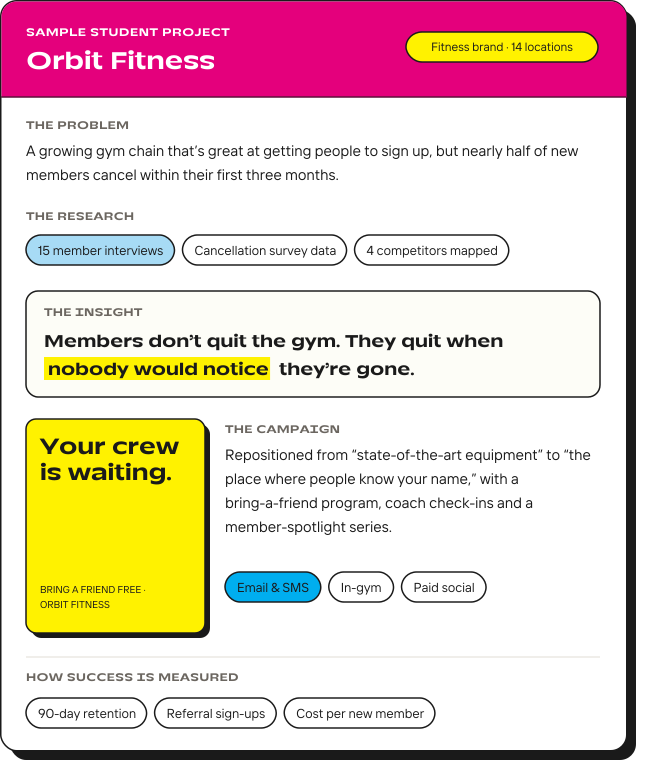
Throughout the course, you’ll build one marketing project in stages. Each new unit adds another layer: customer research, offer, pricing, positioning, insight, messaging, campaign, creative direction, channels, paid-media thinking and measurement. By the end, you’ll take the strongest work, refine it through feedback and turn it into a polished portfolio-ready case study that tells the story of your thinking.
Kirum case studies
Real clients. Real problems.
No one formula.
Every one of these projects started with a different question. That’s exactly how you’ll learn to work.
Consumer brand · Beverage
Branding in action
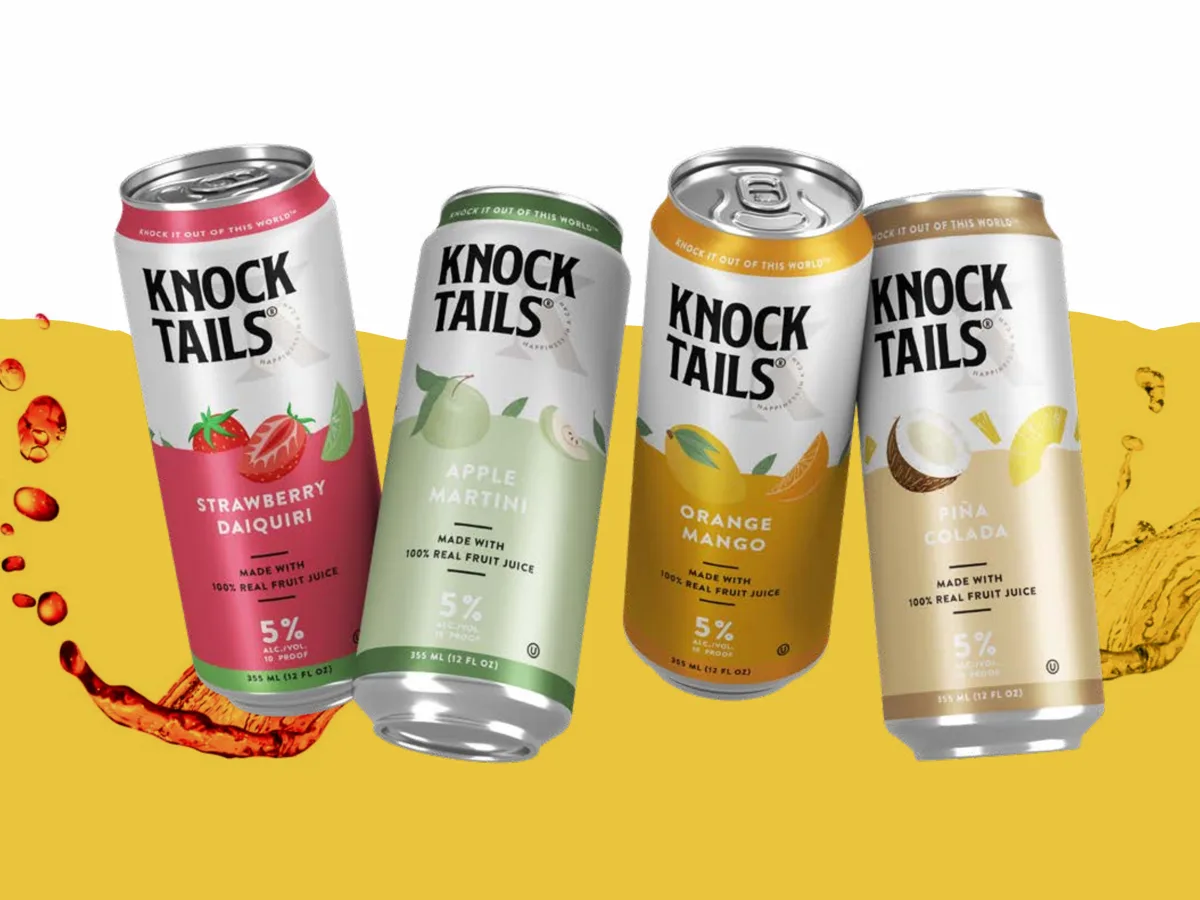
Knocktails
A brand-new ready-to-drink cocktail launching into a can aisle packed with big-name brands. It had to stand out on the shelf from day one.
Competitor research
Positioning
Brand identity
Packaging
Shelf testing
The result
At full capacity.
Demand grew so much that Knocktails now runs its own bottling facility, and it’s running at capacity.
Healthcare · 4 companies
Strategy in action
Evo Group
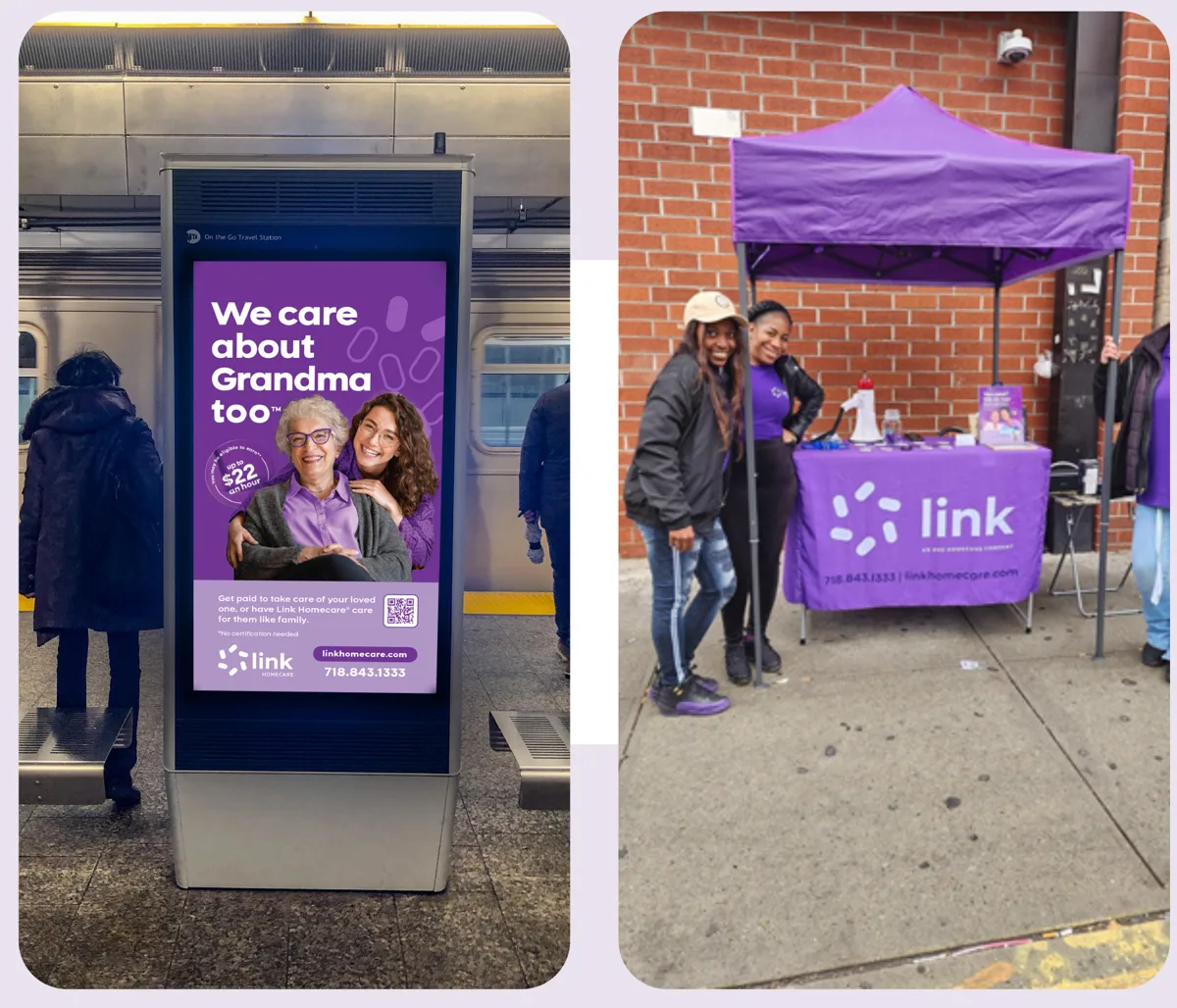
Four independent home-care agencies with no shared identity. Should they become one brand in a high-liability industry?
Brand strategy
Stakeholder buy-in
Rollout
Zip-code campaign
The result
24.5%
increase in B2C conversions, plus valuable new B2B partnerships.
Nonprofit
Insight in action
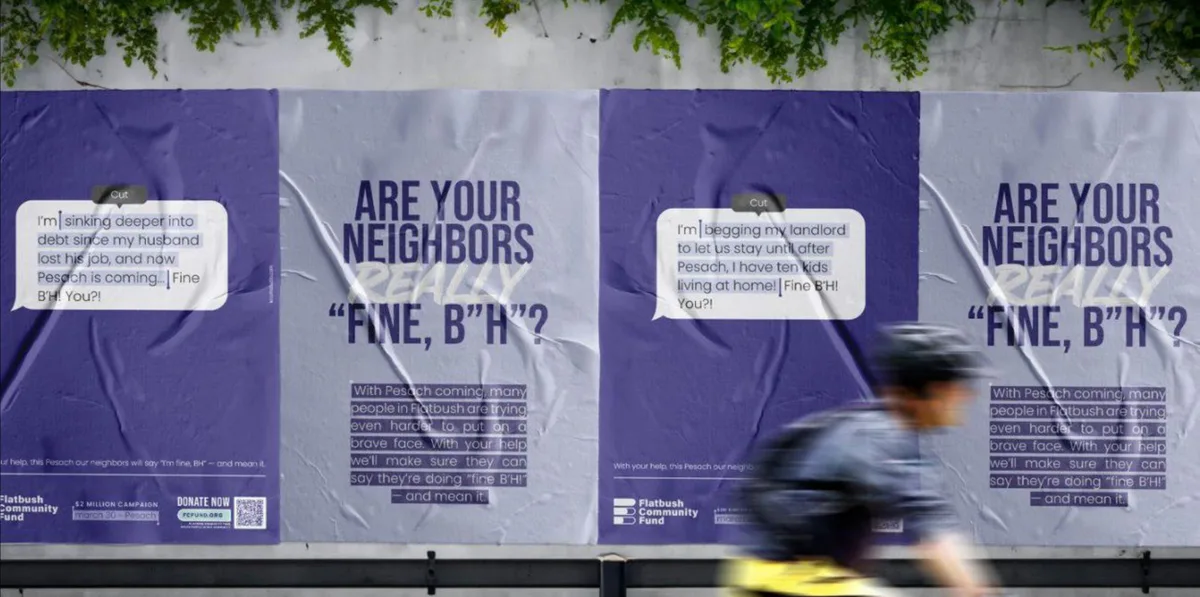
Flatbush Community Fund
A Pesach fundraiser for a community where people keep hardship private. Could we make people care, without shouting?
Research
Insight
Campaign
Event
Print & digital
The result
$1,760,174
raised, over $200,000 more than the previous year, with the media budget cut in half.
B2B manufacturing
Campaign in action
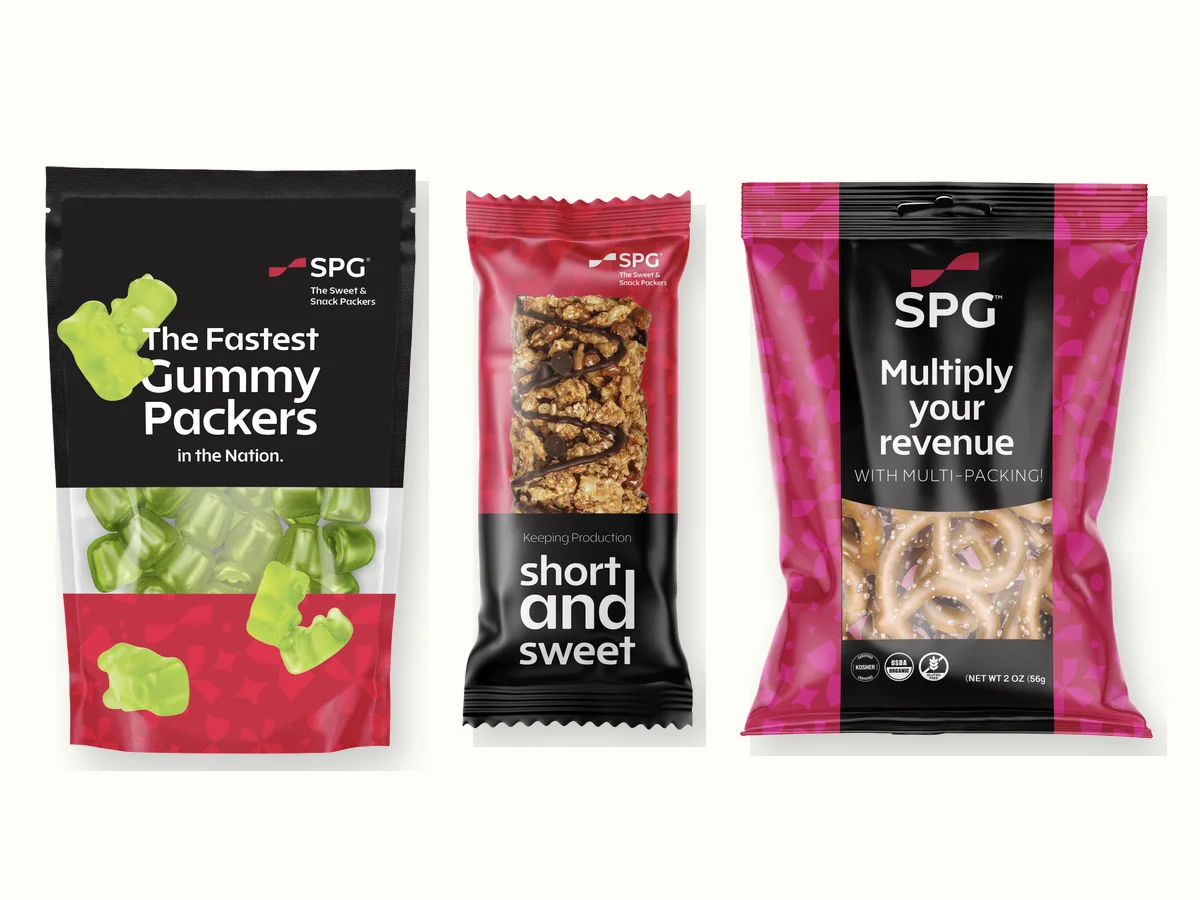
Superior Pack Group
A co-packer trusted by Fortune 500 companies, including 3 of the top 10 global candy companies, and bound by NDA from naming any of them.
“Let’s Go Jumbo” campaign
Landing page
Signage & swag
Sales decks
Newsletters
The result
Success, at scale.
We evolved SPG’s branding as they grew from one massive facility to two, launching a major campaign while keeping their ongoing content fresh, generating leads, and building trust with an impressive roster of brands.
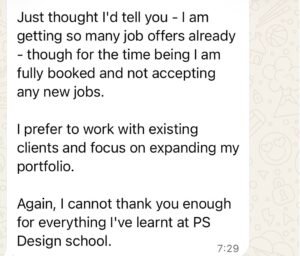
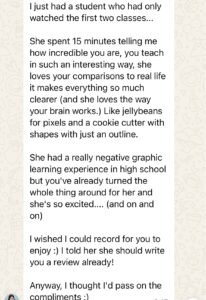
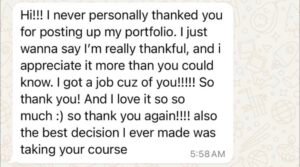
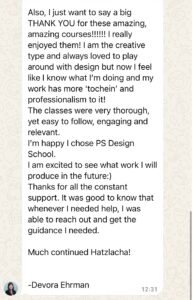
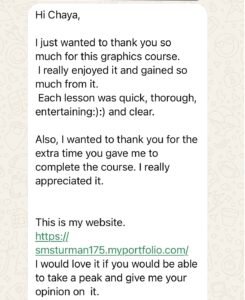
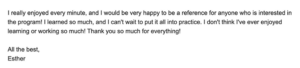
Don’t just take our word for it
Real messages from real students.

Good questions.
No. The course starts with the foundations and builds from there. If you already work in design, content, business or marketing, you’ll be able to plug what you already know into a much bigger framework.
Absolutely! Think of this course as the pre-thinking, the foundation that sits behind good design. If you’re taking Graphic Design or UX/UI, you’ll find it really complements them: you’ll learn who the work is for, what it needs to say and why, before you start creating. There’s overlap with Interior Design too. And if you’re using Digital Illustration for marketing purposes it can be helpful, though there’s less overlap.
Digital is part of it — but marketing is much bigger than digital. You’ll look at email, social, paid media and websites alongside print, events, partnerships and other channels, and learn how to decide which ones actually make sense.
You’ll learn how to think about paid media: objectives, targeting, budgets, testing, creative and results. The goal is to understand what paid media should be doing and how to work with it intelligently, rather than turn you into an advanced specialist on every platform.
You don’t need to be a math person. You do need to understand the numbers that help marketers make decisions — things like conversion, cost per lead, acquisition cost and return on ad spend. We’ll teach you what they mean and, more importantly, when they matter.
Everywhere it makes sense. You’ll use different AI tools for research, analysis, ideation, drafting, visuals and speeding up execution, so by the end using them feels like second nature. Along the way you’ll learn where human judgment, strategy and taste still matter.
A practical marketing toolkit, a Playbook for every module, experience working through a full marketing challenge, and a polished case study that shows how you approached the problem from beginning to end.
We recommend budgeting approximately 3–5 hours per week for the course.
Classes will generally be 1–2 hours long, with an additional few hours for assignments and practical work.
Some weeks will be lighter, while others, particularly when you’re working on your marketing case study, will require a greater time commitment.
Since this is our first cohort, these are estimates, and we’ll have a more precise idea of the average workload as the course progresses.
A $20,000 marketing budget? You’ve got this.
By the time you’ve worked through the modules, asked a bunch of questions, challenged your thinking, and completed your own real-world case study, you’ll be ready to take on a marketing project from start to finish. And because this is PS Design School, you won’t just learn how it’s done. You’ll have done it yourself.
How it works
Join live, or catch the recording
After you sign up, choose the track that fits your life. Either way, you’re part of the group: same classes, same deadlines, same personal feedback.

Live group

Join the classes live
Ask questions and work through ideas together in real time
Personalized feedback on your assignments

Recorded track
Watch each class recording at a time that works for you
Keep pace with the group: when there’s an assignment, upload your work by Motzei Shabbos
Get a personal video clip with feedback on it by email, by Tuesday night
Both tracks include
Assignments with personalized feedback
A Playbook for every module
One big case study, built throughout the course
Pricing
Invest in your marketing future
January – June 2027 · 18 modules
Join our first group
Introductory pricing on both options, up to $1,400 off the regular $5,000.
Pay in full
Save an extra $300 compared with the monthly plan.
best value
Pay in full
$5,000
$3,600
Introductory price · one payment
Monthly payment plan
$650 / month
6 monthly payments, January through June.
The marketing world is waiting for people who think like you.
Course starting January 2027
